Günter Grass
1927–2015 · Free City of Danzig
10 books

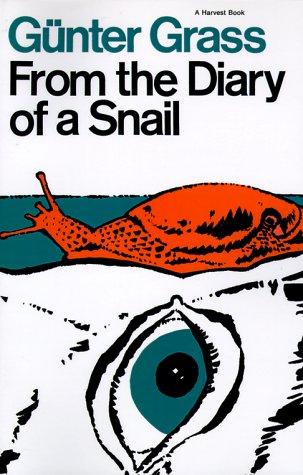
Günter Grass was born in 1927 in the Free City of Danzig, now Gdańsk in Poland, and grew up in a lower-middle-class family in a port city of mixed German and Polish culture. He lived through the Second World War as a teenager and later worked as a stonemason, sculptor and graphic artist before turning to writing. He was also a poet, playwright and illustrator, and he often drew the covers of his own books.
His first novel, The Tin Drum, made him famous across the world and helped bring German literature back to international attention after the war. Grass wrote with energy, humour and a rich, earthy imagination, returning again and again to Danzig, to guilt and memory, and to the question of how Germans should face their past. He was also an outspoken public figure who took part in political debate. He received the Nobel Prize in Literature in 1999 and died in 2015.