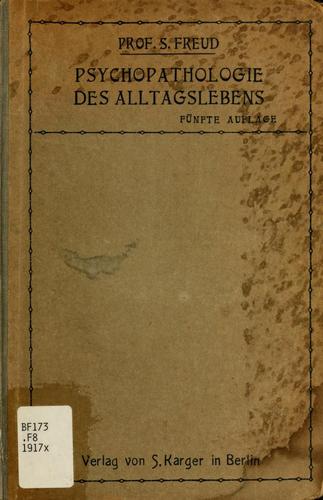
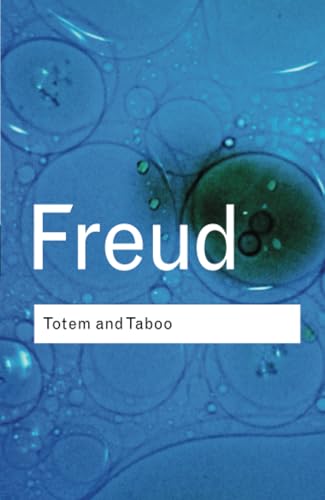
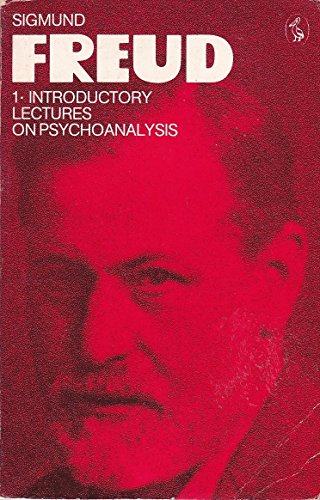
Sigmund Freud
1856–1939 · Freiberg in Mähren · Austrian Empire
10 books

Sigmund Freud was an Austrian neurologist and psychiatrist who founded psychoanalysis. He was born on 6 May 1856 in Příbor, then part of the Austrian Empire, and spent most of his working life in Vienna, where he trained in medicine and practised for decades. In 1938, after the Nazi takeover of Austria, he left for London, where he died on 23 September 1939.
Freud argued that much of mental life is unconscious, and that dreams, slips of the tongue, childhood experience and hidden desires shape who we are. He developed the talking cure, a method of treating distress by exploring what a patient says and remembers. His books range from clinical studies and dream analysis to essays on religion, culture and society. Many of his claims are debated or rejected today, yet his vocabulary and his way of listening to the mind have deeply influenced psychology, literature, art and everyday speech.