The Future of an Illusion
First published 1927 · English · 116 pages
- Religion and spirituality
- Science and nature
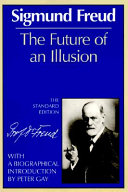
Freud examines religion as a psychologist rather than a theologian. Imagining a sceptical opponent who raises objections, he argues that religious belief grows from human helplessness and the longing for protection, and he calls it an illusion, not necessarily false but driven by wish. He hopes that society might eventually rely on reason and science instead. Short, direct and provocative, it remains a key text in debates about faith and secular thought.
Quotes
if the truth of religious doctrines is dependent on an inner experience which bears witness to that truth, what is one to make of the many people who do not have that rare experience?
Religious ideas have sprung from the same need as all the other achievements of culture: from the necessity for defending itself against the crushing supremacy of nature.
A poor girl may have an illusion that a prince will come and fetch her home. It is possible, some such cases have occurred. That the Messiah will come and found a golden age is much less probable.
The voice of the intellect is a soft one, but it does not rest until it has gained a hearing. Ultimately, after endlessly repeated rebuffs, it succeeds. This is one of the few points in which one may be optimistic about the future of mankind, but in itself it signifies not a little.